01
Urban theft and water damage
Philadelphia and Pittsburgh infill projects see meaningful theft and water-damage losses. Carriers ask about site security, fencing, and after-hours monitoring before binding.
Pennsylvania builder's risk is generally a competitive market with broad carrier appetite. Philadelphia, Pittsburgh, and the Lehigh Valley each have different theft, hail, and water-damage profiles. Commercial owners and lenders usually decide who buys the policy through the construction contract.
10+ carriers shopped · Serving Pennsylvania contractors · Regulated by PA DOI
Every state regulates commercial insurance differently. Here's what matters for builder's risk in Pennsylvania.
Philadelphia and Pittsburgh infill projects see meaningful theft and water-damage losses. Carriers ask about site security, fencing, and after-hours monitoring before binding.
Central PA projects can see hail losses on stored materials and exterior systems mid-build. Carriers may apply higher hail deductibles in higher-frequency counties.
Renovation of existing buildings carries different exposure than ground-up construction; carriers underwrite occupied versus unoccupied work and the existing structure separately.
Rates vary meaningfully by state because class codes, litigation climate, medical costs, and regulatory requirements all differ. Here's the Pennsylvania picture.
PA builder's risk rates are moderate. Wood-frame multi-family, longer build schedules, and renovation work in older urban building stock price higher. Material storage on site, hot-work protocols, and water-damage controls are standard underwriting questions in Philadelphia and Pittsburgh.
Want a Pennsylvania builder's risk quote checked against your contract?
Send the insurance schedule or certificate requirements. We match the builder's risk terms before bind.
State law is only one part of the buying decision. Commercial contracts often impose stricter insurance requirements than the legal minimum.
GCs and owners commonly require additional insured wording before you can start work on a project.
Your policy may need to respond before the GC or owner policy contributes. We match the endorsement to the contract schedule.
Many contracts require your carrier to waive recovery rights against the GC or owner after a covered claim.
For construction work, contracts often require completed-operations protection after the job is done, not just while work is underway.
The fastest quotes come from clean underwriting data. These are the items competitors often hide behind a generic form.
Have two or three of these items? We can start the Pennsylvania quote.
A licensed broker will tell you what is missing instead of forcing you through a generic intake form.
Core coverage is the same nationwide. Pennsylvania-specific regulations layer on top of these baseline protections.
The partially-built structure itself. Framing, sheathing, interior finishes, all covered up to the limit you select, which should equal the total completed value.
Lumber, drywall, fixtures, and all materials delivered to the site but not yet installed. Includes materials in temporary storage containers or yards.
Most forms cover materials while being delivered from supplier to site, limited to a sub-limit, typically $50K-$100K. Critical for high-value systems like HVAC or elevators.
Standard named-peril coverage. Fire is the #1 total-loss driver during construction; a single event can level an 80%-complete building overnight.
Theft of copper, HVAC units, appliances, and tools from the site. Vandalism to work in progress. Active construction sites are prime targets, this coverage is not optional.
Covered on most forms, with a separate wind/hail deductible in catastrophe-prone states (typically coastal FL, TX, LA, SC). Named-storm deductibles are a separate class.
| Factor | Impact | Detail |
|---|---|---|
| Construction value | Major | Rate is a percentage of the total completed value. Premium scales linearly with project size. |
| Construction type | Major | Wood-frame (Joisted Masonry) is 2-4x the rate of non-combustible (steel/concrete). Frame multi-family is the toughest to place. |
| Project duration | Major | Longer project = more exposure. Standard term is 12 months; each month extension adds premium. |
| Geographic risk | Moderate | Hurricane-zone Florida, wildfire-exposed California, tornado alley, all carry loaded rates and larger deductibles. |
| Site security | Moderate | Fencing, security cameras, and guards meaningfully reduce theft claims, carriers reward it with credits. |
| Deductible selection | Moderate | Higher deductibles ($25K vs $5K) can drop premium 10-20%. Match the deductible to what the owner / GC contract allows. |
| Contractor experience | Minor | New builders pay more. Five+ years of clean BR claim history unlocks preferred rates. |
Pennsylvania-specific questions first, then the general builder's risk questions.
The construction contract decides. Owners often buy it on commercial development; GCs buy it on smaller commercial and residential work. We read the schedule before quoting so the named insured matches the contract.
Not automatically. Standard builder's risk forms generally exclude flood. FEMA flood-zone projects need a flood endorsement or separate flood policy.
Builder's risk covers the structure under construction, materials on site, and (with sub-limits) materials in transit. Standard perils include fire, wind, hail, theft, vandalism, and water damage. Flood and earthquake require separate endorsements in exposed regions.
Premium is typically 1% - 3% of the total completed construction value, spread over the project term. A $2M wood-frame build might run $20,000; a $2M steel-frame commercial build might run $8,000. Construction type, state, and deductible are the biggest drivers.
Contract language governs. On many projects the GC buys and names the owner as additional insured. On some, especially larger commercial and multi-family, the owner buys and names the GC. Always read the contract before quoting so limits and buyer match the requirement.
No. BR is for the project, not the contractor's property. Tools, heavy equipment, trailers, and scaffolding belong on an inland marine or contractors equipment policy. We bundle both lines when it makes sense.
Yes, but it needs renovation-specific endorsements, standard new-construction BR forms don't fit. Renovation BR treats the existing structure differently and requires careful underwriting. Not every carrier writes it.
DSU (sometimes called soft-cost or delay-in-completion) covers lost rental income, extended loan interest, and other soft costs that accrue if a covered loss delays completion. Standard BR doesn't include these, DSU is a separate, carefully-underwritten add-on that most lenders require on commercial projects.
At the earliest of: completion + final inspection, occupancy of the building, expiration of the policy term, or abandonment. After that, property insurance takes over. Timing the handoff matters, lapses create gaps.
Standard forms exclude flood. If your project is in a FEMA flood zone or a coastal area, you need a flood endorsement or a separate flood policy through NFIP or the E&S market. Flood endorsements for active construction are limited and often expensive, plan early.
Once bound and holder details are available, we typically issue BR COIs in under 60 seconds. If a project is starting Monday and you need proof of BR by Friday, call us Thursday, bind time varies by carrier and complexity but 1-2 days is typical.
Extensions are available but need to be requested before expiration. Post-expiration, coverage stops, any loss after the term is not covered. Carriers charge a pro-rata additional premium for extensions, and sometimes re-underwrite if the project has materially changed.
Most jobs require more than one policy. Round out your insurance program with the coverages GCs, owners, and lenders commonly ask contractors to carry.
 PA coverageGeneral LiabilityGeneral Liability insurance for Pennsylvania contractors
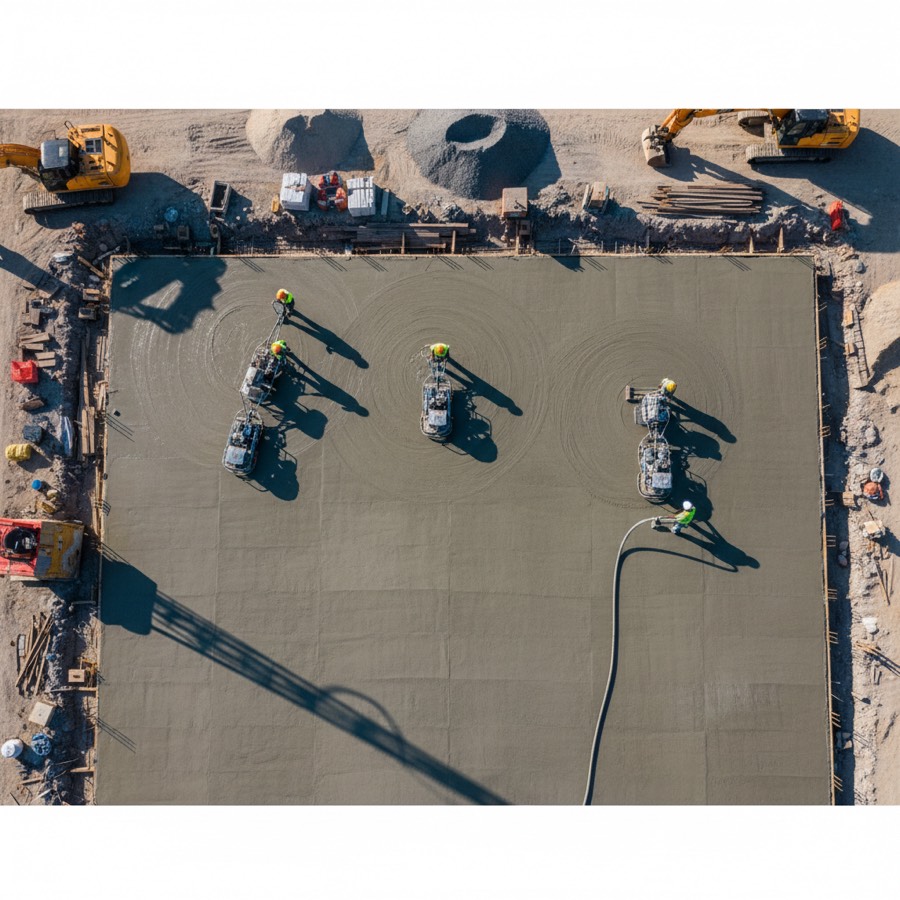 PA coverageWorkers' CompWorkers' Comp insurance for Pennsylvania contractors
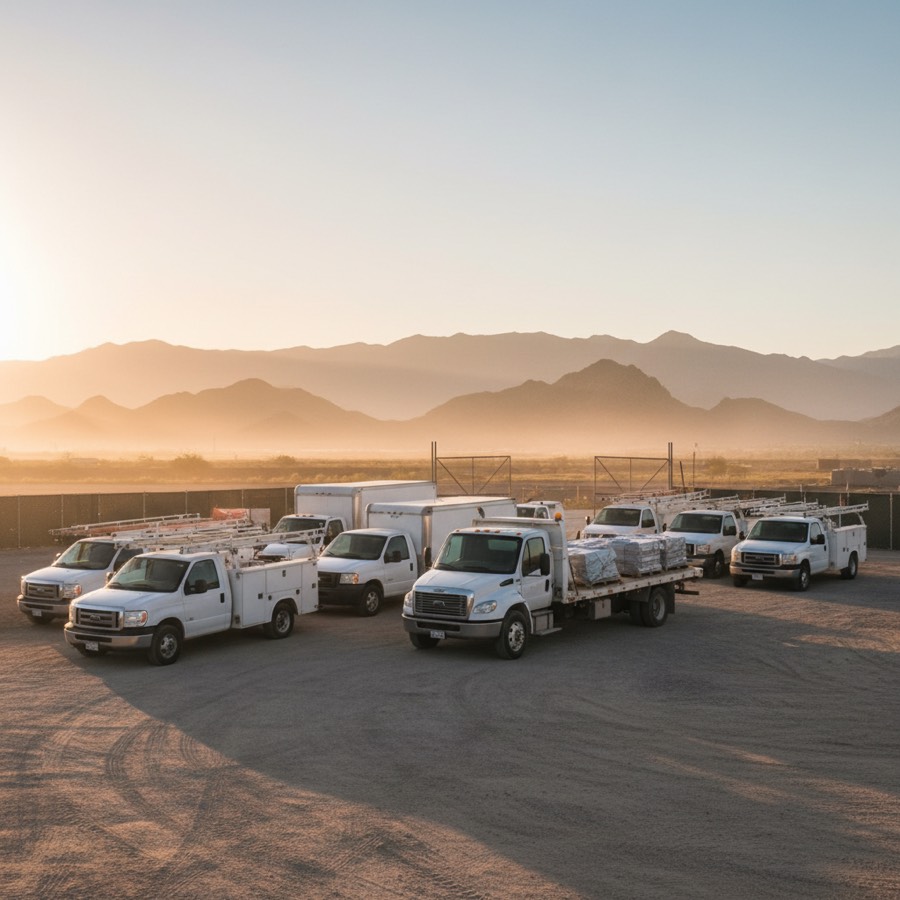 PA coverageCommercial AutoCommercial Auto insurance for Pennsylvania contractors
 PA coverageUmbrella & ExcessUmbrella & Excess insurance for Pennsylvania contractors
Tell us your trade. We typically send quote options in 2 hrs after we have the required information. No fee. No obligation.