01
State licensing proof
Most NC general contractor license categories require proof of general liability insurance. The exact requirement depends on the license classification and limit tier.
North Carolina general liability for contractors is shaped by state licensing requirements, lender and owner contract schedules, and the state's growth markets in Charlotte, Raleigh-Durham, and the coast. The NC Licensing Board for General Contractors requires GL proof on most license categories, and commercial owners commonly require $1M/$2M limits with additional insured, primary/non-contributory, waiver of subrogation, and completed-operations wording.
10+ carriers shopped · Serving North Carolina contractors · Regulated by NCIC
Every state regulates commercial insurance differently. Here's what matters for general liability in North Carolina.
Most NC general contractor license categories require proof of general liability insurance. The exact requirement depends on the license classification and limit tier.
Public and commercial project contracts commonly require additional insured status, waiver of subrogation, primary/non-contributory wording, and completed-operations beyond the base GL policy.
Roofing and exterior contractors that follow named-storm work in the Outer Banks and along the coast face additional underwriting scrutiny on storm-chaser exposure and out-of-state operations.
Rates vary meaningfully by state because class codes, litigation climate, medical costs, and regulatory requirements all differ. Here's the North Carolina picture.
NC GL pricing is generally competitive. Roofing, exterior renovation, structural work, and subcontractor-heavy GCs see more underwriting scrutiny. Coastal exposure adds wind and named-storm questions on related property; commercial work in Charlotte and the Triangle often carries stricter contract requirements than smaller residential projects.
Want a North Carolina general liability quote checked against your contract?
Send the insurance schedule or certificate requirements. We match the general liability terms before bind.
State law is only one part of the buying decision. Commercial contracts often impose stricter insurance requirements than the legal minimum.
GCs and owners commonly require additional insured wording before you can start work on a project.
Your policy may need to respond before the GC or owner policy contributes. We match the endorsement to the contract schedule.
Many contracts require your carrier to waive recovery rights against the GC or owner after a covered claim.
For construction work, contracts often require completed-operations protection after the job is done, not just while work is underway.
The fastest quotes come from clean underwriting data. These are the items competitors often hide behind a generic form.
Have two or three of these items? We can start the North Carolina quote.
A licensed broker will tell you what is missing instead of forcing you through a generic intake form.
Core coverage is the same nationwide. North Carolina-specific regulations layer on top of these baseline protections.
Medical costs and legal defense if someone who doesn't work for you is hurt on your job site, a client, a delivery driver, a passerby, another sub's crew.
If your work damages someone else's property, a cracked floor, a broken window, a burst pipe that floods a neighboring unit, GL pays the repair claim.
Claims that arise after the job is finished. A wall you framed collapses six months later; a floor you installed warps and causes damage. Completed-ops covers the liability.
Libel, slander, copyright infringement, or wrongful-advertising claims arising from how you market your business.
Even claims that are frivolous cost real money to defend. GL pays attorney fees, court costs, and expert witness fees, often in addition to the policy limit.
Small medical bills for on-site injuries, typically up to $5,000 per person, paid without a lawsuit, so small incidents don't spiral into claims.
| Factor | Impact | Detail |
|---|---|---|
| Trade / class code | Major | Roofing, demolition, and framing carry the highest GL rates. Low-hazard trades like painting and drywall are lower. This is the single biggest driver. |
| Annual revenue | Major | Most carriers rate on gross receipts. More revenue = more exposure = more premium. |
| Years in business | Moderate | Three or more years of clean experience unlocks standard-market rates. New ventures often start in E&S surplus-lines and graduate over time. |
| Claims history | Moderate | One closed-without-payment claim is usually fine. Multiple open claims or a large paid loss narrows the market. |
| Policy limits | Moderate | $1M/$2M is baseline. Higher limits add premium but are often required by commercial contracts. |
| Subcontractor usage | Moderate | How much work you sub out and whether those subs carry their own GL. Higher sub-costs on un-insured subs increases your exposure. |
| State | Minor | Litigation climate matters. New York and California are typically higher than Texas or Pennsylvania for the same class code. |
North Carolina-specific questions first, then the general general liability questions.
Most NC general contractor license categories require proof of GL. Commercial project contracts usually require higher limits and specific endorsements than the licensing minimum.
$1M per occurrence / $2M aggregate is the practical floor for most commercial work, even where a lower licensing minimum applies.
GL isn't required by law in most states, but it is required by virtually every commercial contract, GC sub-contract, license bond, or project owner. In practice, if you want to work, you need it. Limits of $1M per occurrence / $2M aggregate are the common baseline; large commercial jobs may demand $2M/$4M or higher.
Contractor GL typically costs $600-$3,000+ per year for a small-to-mid-size operation. Your trade class code is the single biggest driver, roofers and demolition contractors can pay 3-5x what a painter pays for the same limits. Revenue, claims history, and the state you work in also factor in. We shop 10+ carriers to find the right rate for your exact profile.
For general liability alone, a small-to-mid-size general contractor commonly pays $1,500-$3,500 per year for $1M/$2M, with single-owner low-hazard outfits lower and high-revenue or high-hazard operations higher. But a complete general contractor insurance program usually also includes workers' comp, commercial auto, and often an umbrella, each priced separately, so the all-in annual cost is typically several thousand dollars and up depending on payroll, fleet, and limits. These are illustrative ranges, not quotes; we price each line against your actual exposure and your contract requirements.
Workers' comp covers injuries to your own employees. General liability covers injuries and property damage to third parties, clients, passers-by, other subs, project owners. You typically need both, and they cover completely different claims.
No, GL is strictly for third-party claims. For theft or damage to your own tools, trailers, or equipment, you need inland marine / tools & equipment coverage. We place both lines together when it makes sense.
Yes, adding a general contractor, property owner, or lender as additional insured is standard on a commercial GL policy. Most contracts also require primary/non-contributory wording and sometimes a waiver of subrogation. Send us the contract's insurance schedule and we'll confirm exactly what needs to be endorsed.
Primary/non-contributory is contract language that requires your GL policy to respond first on a claim and not contribute alongside the additional insured's own coverage. Most commercial owners and GCs require it. It's a simple endorsement, we add it at no extra cost when a contract calls for it.
Once your policy is bound and holder details are available, we typically issue COIs in under sixty seconds.
One or two closed-without-payment claims rarely disqualify you. Larger paid losses or open claims narrow the market but don't necessarily close it, carriers specializing in non-standard risks will still quote. Tell us your claim history up front and we'll tell you realistically where it lands.
Contractor GL is almost always written on an occurrence form, meaning a claim is covered if the incident happened while the policy was in force, even if the claim is filed years later. Claims-made forms are common in professional liability but rare for trade contractor GL.
Yes. If you hire subs, you should require proof of their own GL at the limit your contract with the project owner calls for. Without that, the sub's exposure falls on your policy. Most commercial GC contracts explicitly forbid using un-insured subs.
Most jobs require more than one policy. Round out your insurance program with the coverages GCs, owners, and lenders commonly ask contractors to carry.
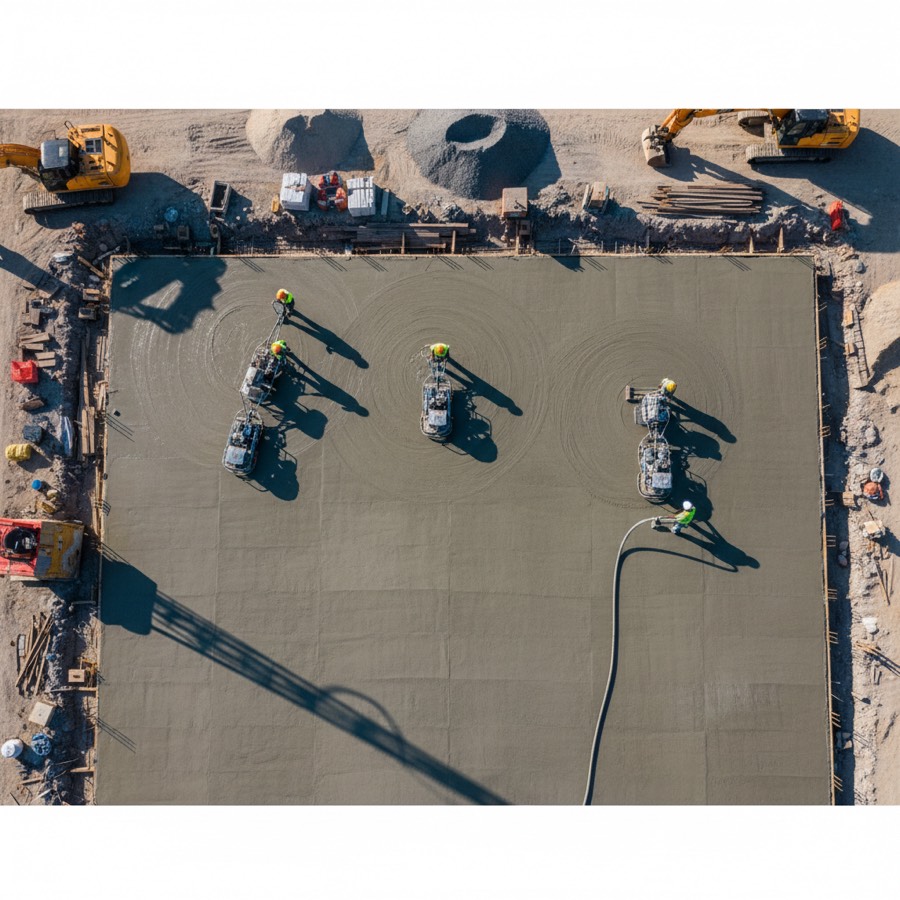 NC coverageWorkers' CompWorkers' Comp insurance for North Carolina contractors
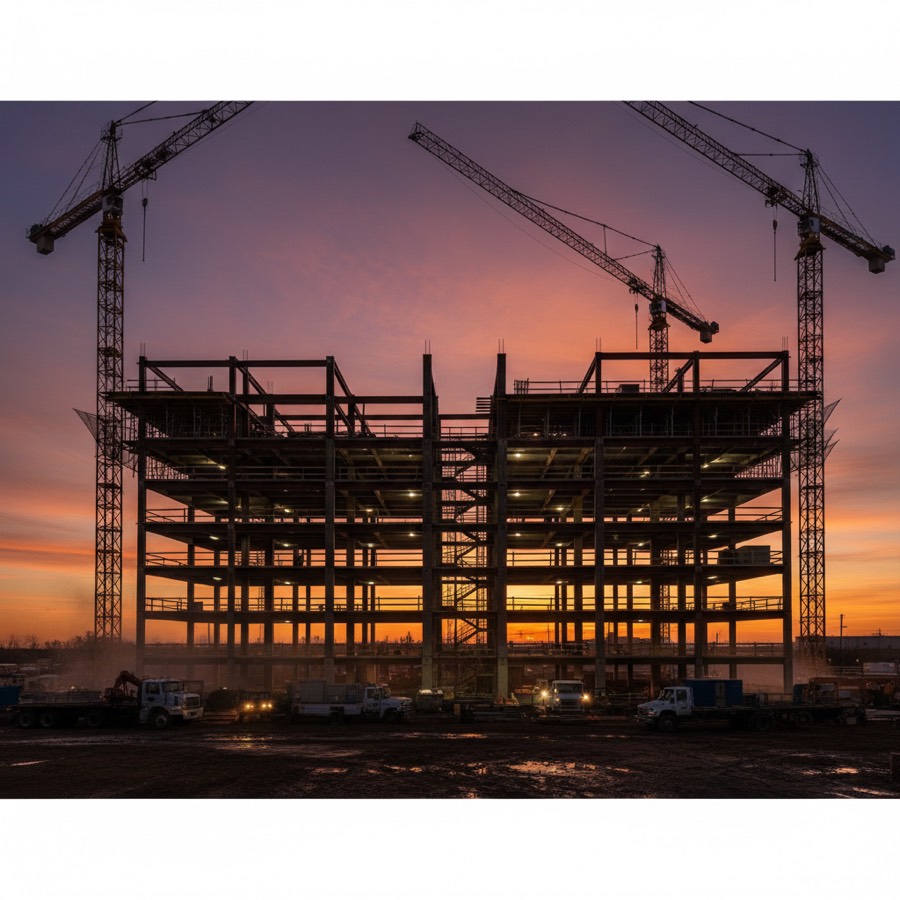 NC coverageBuilder's RiskBuilder's Risk insurance for North Carolina contractors
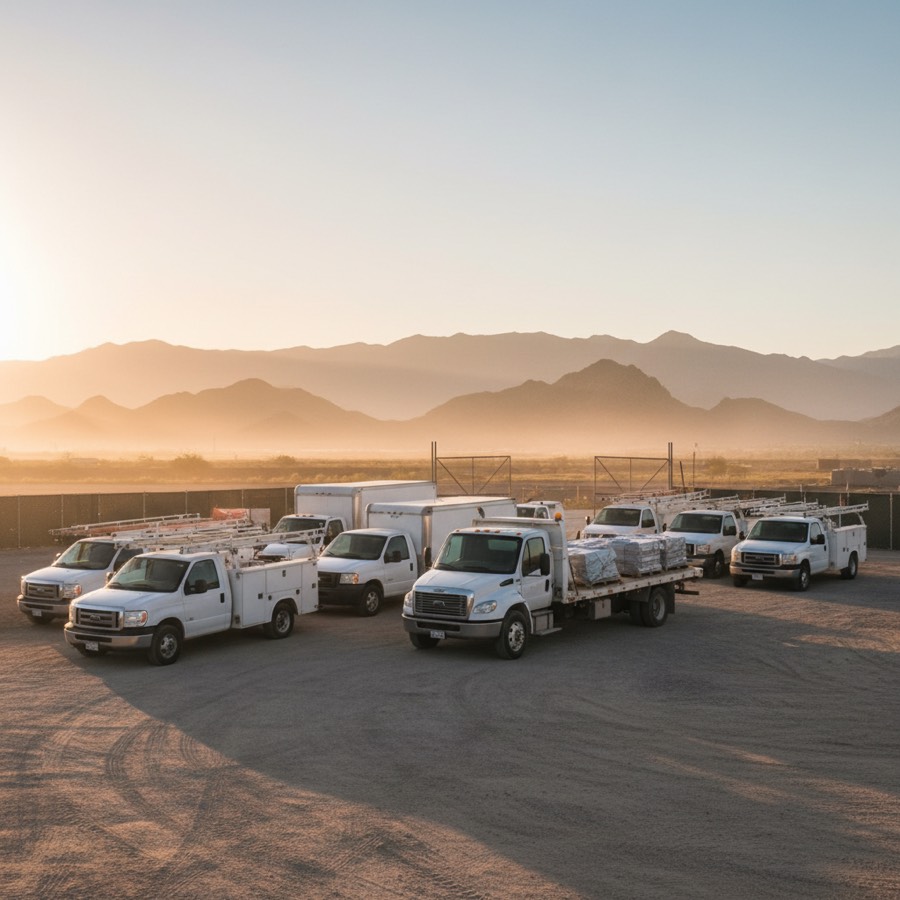 NC coverageCommercial AutoCommercial Auto insurance for North Carolina contractors
 NC coverageUmbrella & ExcessUmbrella & Excess insurance for North Carolina contractors
Tell us your trade. We typically send quote options in 2 hrs after we have the required information. No fee. No obligation.